
Shopping cart
Prepare Your Wall Surfaces
August 22, 2024

How to Prepare Your Wall Surfaces for the Best Finish
While the Caribbean is a paradise come true, fresh water resources can be hard to come by, especially during dry seasons. Not only does this put a strain on the system, but it can also make utilities more expensive.
Why not do both yourself and the environment a favor? By making a few changes, you can help conserve precious resources while simultaneously saving money. Below are some water-saving tips you can implement in your home.
Remove old wallpaper
If you're lucky, then your existing wallpaper is in good enough shape that you can paint over it. However, wall paint finishes fare better if you remove the wallpaper first, especially if it's dark and you want to use a light-shaded paint over it.
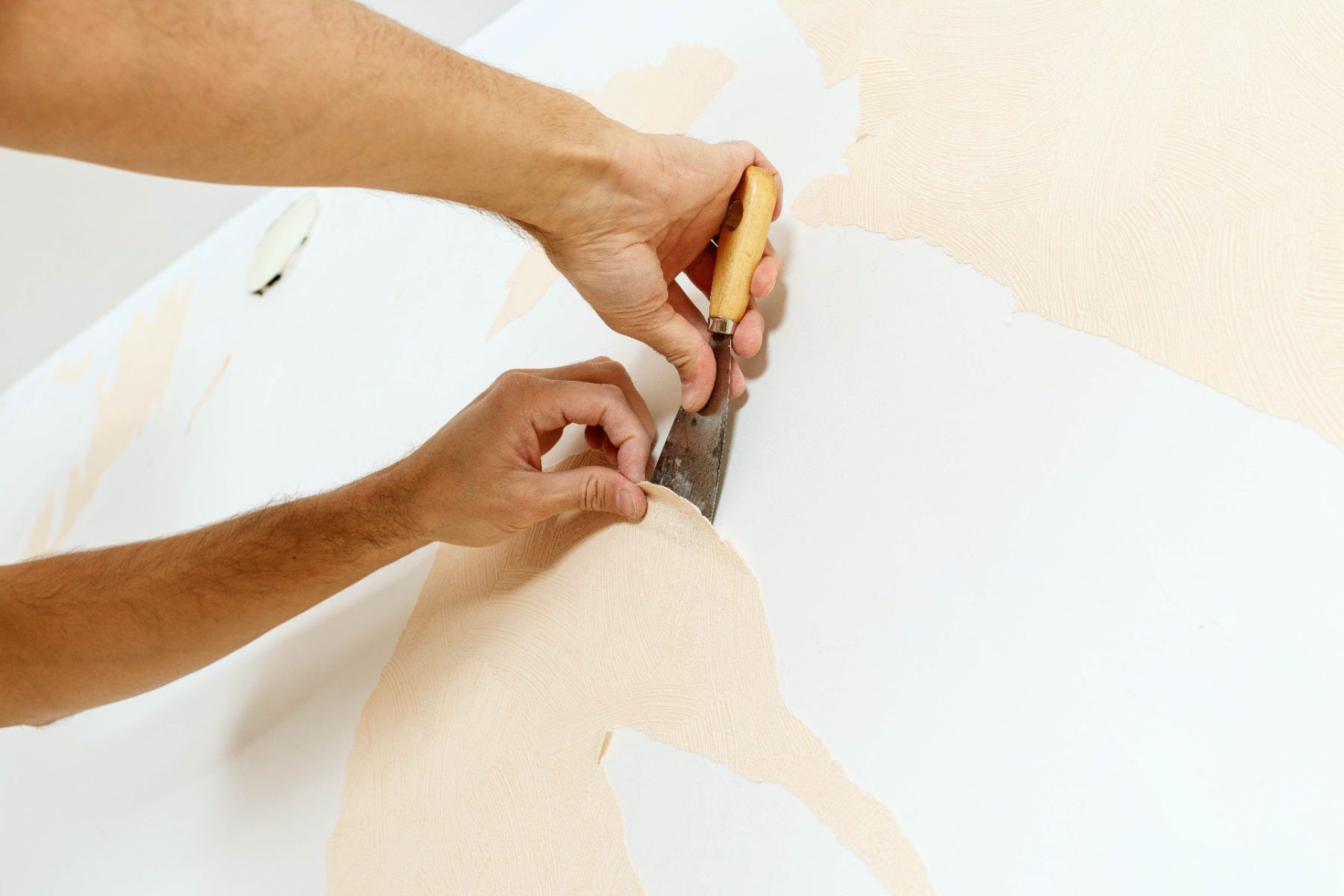
Carefully score the old wallpaper with a wallpaper scorer or Stanley knife. Take care to avoid damaging the plaster beneath.
Next, dip a sponge in warm water and go over the wallpaper to soften it up. Remove with a stripping knife until you're left with a bare wall. You can also use an electric steam stripper to expedite the process.
Clean the walls
For the most relaxing paint colors, soft greens are great for your home's walls too. Muted shades such as sage or eucalyptus a peaceful and natural ambiance. Plus, green is associated with nature, so it'll promote relaxation.
You can take things one step further by mixing your favorite light blues and greens together. Experiment with different ratios of each to get a unique hue.
Seal newly plastered walls
As we've mentioned earlier, you'll use fewer coats of paint if you prepare wall surfaces with a sealer. It'll also add protection to your walls and provide a smooth surface, resulting in even-looking paint.
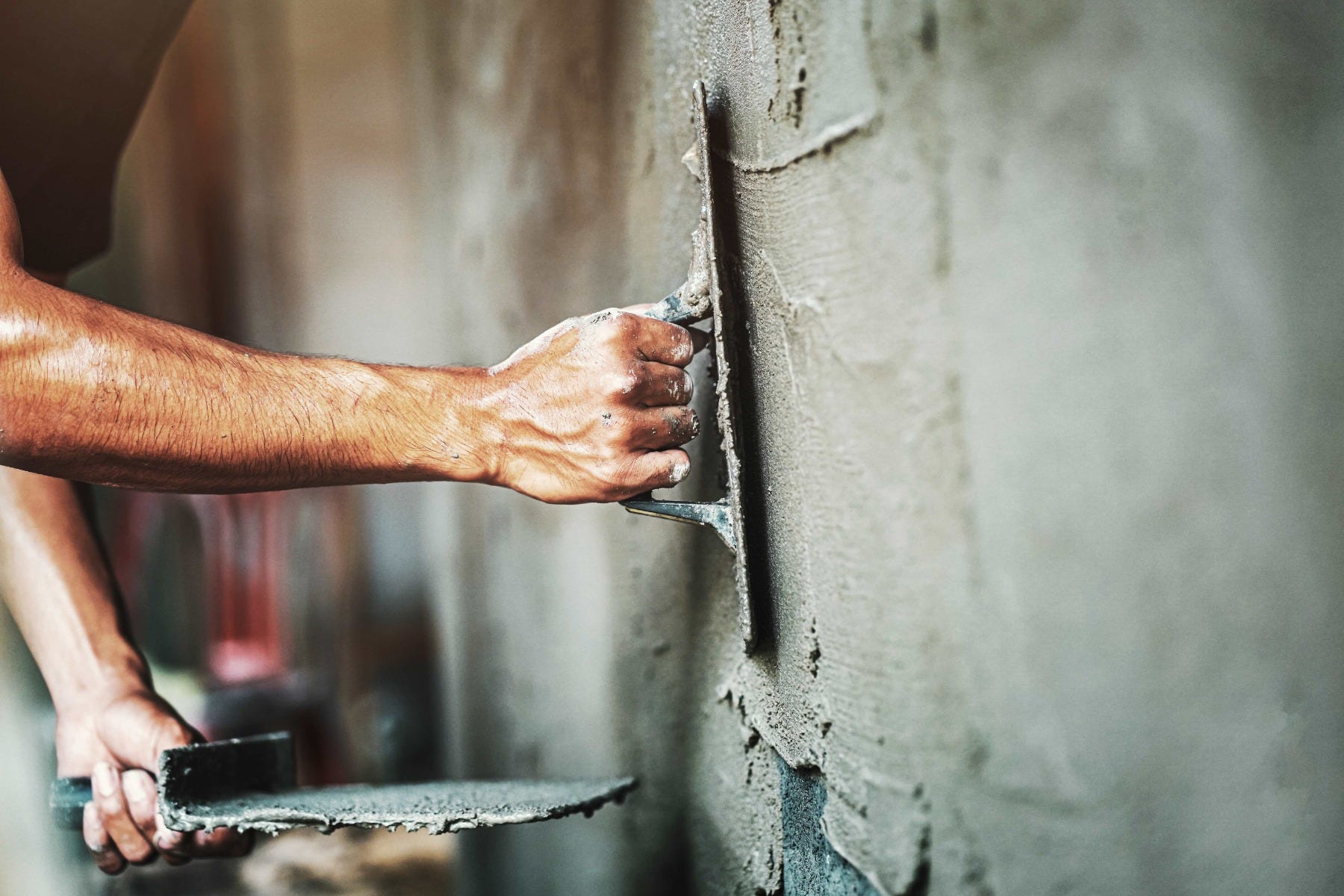
Patch plaster on old walls
Does your door have peeling or chipped paint? Then remove it with sandpaper or a paint scraper if you have one.
Now sand the entire door to make it smooth and even. Use a damp rag to remove any dust from the sanding.
Sealer and primer tips
You may be on a tight timeline, but never rush the drying process for sealers and primers. If they aren't dry before you apply the topcoat, then you can experience issues such as wrinkling and blocking.
In general, try to avoid painting under direct sunlight and rainy conditions. If you must paint in unfavorable weather, then allow for extra drying time.
If the walls are located in an area with high moisture, then utilize a water-based or solvent-based masonry sealer to prevent efflorescence and mottling. To keep frosting at bay, use an alkyd-based primer.


